What Rental Yield Can You Actually Expect From a KL Condo?
Real gross and net yield ranges for KLCC condos, and why the number on a developer's brochure is almost never the number you'll actually collect.
If a sales gallery quotes you a rental yield, ask one question before you believe it: is that gross or net? The gap between the two is where most first-time property investors get their return expectations wrong.
The Real Range for KLCC
Gross rental yield estimates for KLCC condos vary more than most sales decks let on. One dataset puts it as low as 2.3% for larger units, another as high as 6.5% based on recent transactions. The spread is real, not sloppy reporting, different providers use asking price versus actual transacted price, different unit-type mixes, and different time windows, and none of that is disclosed on a glossy brochure. That’s gross: rent collected, divided by purchase price, before you subtract anything.
Net yield, after real ownership costs, typically runs 1.5 to 2 percentage points below whatever gross figure you started with. That’s the number that actually matters, and the worked example below shows exactly how that gap forms on a real unit.
Why the Gap Is So Big
The difference between gross and net comes from costs that are easy to forget when you’re looking at a glossy brochure:
- Maintenance fees and sinking fund contributions, which run monthly regardless of whether the unit is occupied
- Quit rent and assessment tax
- Vacancy periods between tenants, which a gross yield calculation assumes don't happen
- Loan interest, if you're financing rather than paying cash
- Agent fees for finding tenants, typically one month's rent per placement
None of these show up in a “4.5% yield” headline. All of them show up in your actual bank account.
Running the Numbers on an Example Unit
Abstract categories are easy to nod along to and then forget. Here’s roughly what they do to a real number, using an example 750 sq ft unit bought for about RM1,200,000, around RM1,600 psf, in line with conventional (non-branded) KLCC stock rather than a trophy tower. Every figure below is an illustrative estimate based on typical rates, not a quote, your actual building’s fees, your council’s assessment rate, and market rent will all move the real number.
At a conservative gross assumption toward the lower end of the range (3.5%), that unit might rent for somewhere around RM3,500 a month, roughly RM42,000 a year.
| Line item | Approx. annual amount | Running total |
|---|---|---|
| Gross rent (~3.5% of RM1,200,000) | +~RM42,000 | ~RM42,000 |
| Maintenance + sinking fund (~RM1.10 psf/month, including the 10% sinking fund the Strata Management Act requires) | -~RM9,900 | ~RM32,100 |
| Assessment tax (DBKL rate, scaled for this unit’s value) | -~RM2,600 | ~RM29,500 |
| Steady-state net (no vacancy) | ~RM29,500 (~2.46% net yield) | |
| One month’s vacancy, a realistic assumption most years | -~RM3,500 | ~RM26,000 (~2.17%) |
| Year 1 only: agent fee for finding the tenant | -~RM3,500 | ~RM22,500 (~1.88%) |
Two things jump out, even allowing for the rounding. First, the steady-state estimate (~2.46%) is almost exactly 1 percentage point below the 3.5% gross assumption it started from, right in line with the “1.5 to 2 points below gross” pattern described earlier once you account for this unit sitting toward the conservative end of the gross range. Second, year one comes out worse than year two by design, the agent fee only hits once, so don’t panic if your first-year statement looks thinner than the number you were pitched. Treat every dollar figure here as a planning estimate, and get the actual maintenance fee, assessment amount, and rental comparables for your specific unit before relying on it.
This example assumes a cash purchase. If you’re financing it, loan interest comes off the same running total, which is why running your own numbers from your unit’s actual gross rent, not a market-wide average, is the safer approach.
Who’s Actually Renting KLCC Condos
KLCC’s tenant pool is concentrated in two groups: corporate expats on housing allowances, and short-stay tourists booked through Airbnb-style platforms. Both segments are genuinely competitive to win, not a guaranteed queue of tenants. Corporate tenants compare your unit against every other serviced residence in walking distance of their office. Short-stay guests compare you against every other listing on the platform, on price and reviews.
This matters because high-density new launches (many recent KLCC towers run into the thousands of units) are all competing for the same pool of renters at completion. More supply chasing the same demand tends to push achievable rents down, not up, exactly when you’re trying to hit your projected yield.
What This Means for Your Numbers
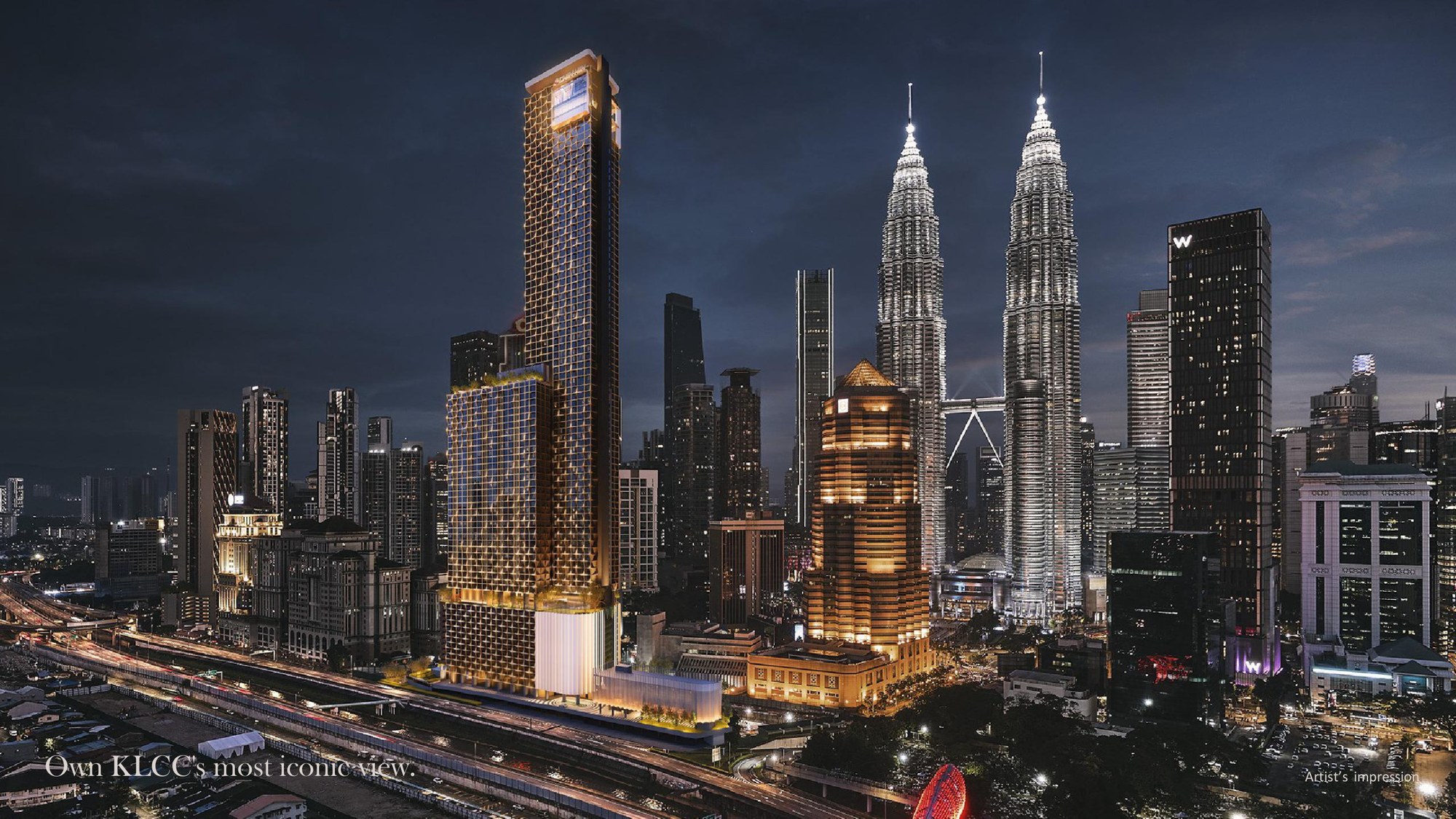
This is a KLCC-wide dynamic right now, not a flaw specific to any one launch, and our reviews of Armani Hallson KLCC and Divine KLCC both flag it for exactly that reason: nearby towers completing in the same window. It doesn’t rule either one out. It just means the smart move is asking how many comparable units are completing in the same window as your specific stack, and running your own numbers on the net figure rather than the one in the sales deck.

Before you commit based on a projected yield:
- Ask what specific comparable units the projection is based on, not a market-wide average
- Run your own numbers using the net figure, not the gross one
- Factor in at least one to two months of vacancy per year as a realistic assumption, not a worst case
- Check how many similar units are completing nearby in the same 2 to 3 year window as your target project
Current Details to Confirm
Yield ranges shift with interest rates, new supply, and tourism demand, all of which move faster than most buyer guides get updated. Ask us for the most current comparable rental data for the specific project and stack you’re considering, rather than relying on a market-wide average like the one in this article.
- https://bambooroutes.com/blogs/news/kuala-lumpur-rental-yields
- https://www.propertygenie.com.my/insider-guide/top-10-areas-in-kuala-lumpur-for-rental-yield-2026-NjjUkLPJzYjTXYA3N825e7
- https://iqiglobal.com/blog/klcc-property-investment/
- https://www.superhomes.my/resources/condo-management-fees-sinking-fund-malaysia-2026
- https://propcashflow.my/blog/property-tax-malaysia/
Common questions
What's a realistic rental yield for a KLCC condo?
Gross yield estimates range roughly 2.3% to 6.5%, depending on the data provider, unit type, and whether it's based on asking or transacted rent. Net yield, after real ownership costs, typically runs 1.5 to 2 percentage points below gross.
Why is net yield so much lower than gross yield?
Gross yield ignores maintenance fees, quit rent, assessment tax, vacancy periods, loan interest, and agent fees. Net yield subtracts all of them.
Who actually rents KLCC condos?
Mainly corporate expats on housing allowances and short-stay tourists booked through Airbnb-style platforms. Both segments are competitive to win, not a guaranteed queue.
Does high unit supply affect rental yield?
Yes. High-density new launches completing in the same window compete for the same pool of renters, which tends to push achievable rents, and yield, down.
What does net yield look like on an actual example unit?
On a RM1,200,000 conventional-stock unit renting at 3.5% gross, a steady-state year (no vacancy, no financing) nets around RM29,500 after maintenance, sinking fund, and assessment tax, a 2.46% net yield. Factor in one month of vacancy and it drops to about 2.17%.
Mentioned in this guide
 KLCC · Freehold
Armani Hallson KLCC
A freehold mixed SOHO/SOVO development on Jalan Ampang, about 300m from the Twin Towers with a direct covered link bridge to KLCC.
KLCC · LeaseholdDivine KLCC
An 83-storey, 316-metre leasehold residence about 400m from the Petronas Twin Towers, with select stacks facing the towers directly.
Related guides
 Buyer Guide
Check the Building Before You Buy a Subsale KL Condo
Before buying a subsale KL condo, check the actual parcel's charges, building accounts, repair plans, house rules and outstanding sums.
 Buyer Guide
New Launch or Subsale Condo: What Suits You Better?
Compare a KL new launch, completed developer unit and subsale condo by move-in timing, inspection, building history and buyer priorities.
 Buyer Guide
Can First-Time Buyers Really Get a 100% Home Loan in Malaysia?
The scheme most people mean when they say this (Skim Rumah Pertamaku) was discontinued in 2023. Here's what actually replaced it and who qualifies.