Buying a KL Condo in 2026? What the Unsold-Property Numbers Mean for You
NAPIC's H1 2026 report shows unsold residential units and serviced apartments as two separate categories, in Kuala Lumpur and nationally. What the numbers mean for a specific KL condo purchase, and how to check one properly.
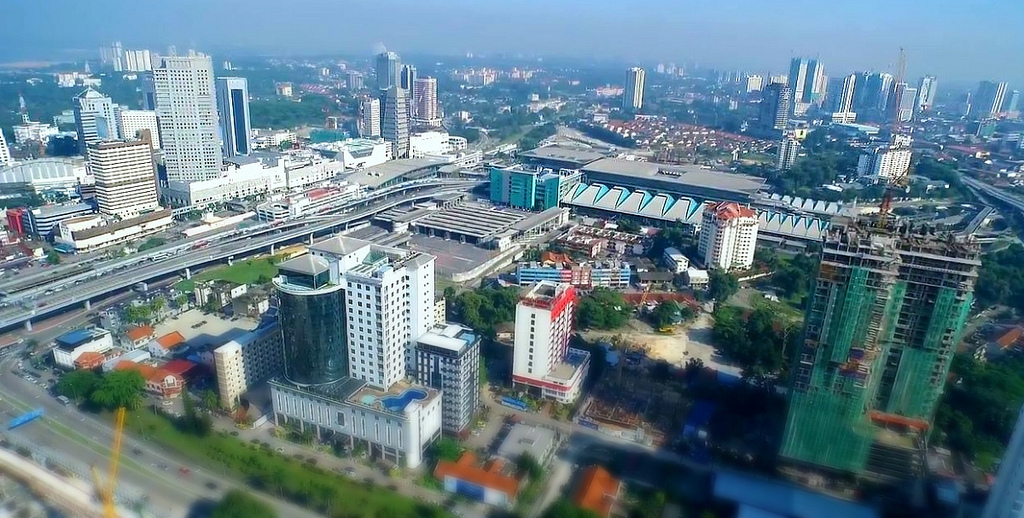
Hero photo: Johor Bahru, where the national residential overhang is currently highest. Azharsofii, CC BY-SA 4.0, via Wikimedia Commons.
Seeing a large unsold-property number can make a buyer wonder whether to put their plans on hold. The figure is worth taking seriously, but it can’t tell you whether the condo you’re considering is a good purchase. For that, you need to look at the building, the competing units, and the price you’d actually pay.
NAPIC’s H1 2026 report counts 33,094 unsold completed residential units and 23,375 unsold completed serviced apartments nationally. Those are separate categories. In Kuala Lumpur, the respective counts are 3,687 and 6,343. The serviced-apartment figure deserves particular attention if that’s the type of property on your shortlist, it’s the product type closest to most KLCC and Bukit Bintang condo stock.
Where the Overhang Actually Sits on Price
It’s not concentrated where you’d assume. NAPIC’s H1 2026 data puts RM300,000-and-below as the single largest price band for unsold residential units, at 37.3%, but that’s closely followed by properties above RM500,000 at 35.1%, more than a third of unsold homes are priced well above the “affordable” segment. For unsold serviced apartments specifically, the picture tilts firmly the other way: 73.4% are priced above RM500,000, squarely in the range most KL condo buyers are actually shopping in.
Does More Unsold Stock Mean a Better Deal?
Possibly, for some units. If a building has several similar units available, you can compare them instead of judging one asking price in isolation. A seller or developer may be willing to discuss terms, but the national figures can’t tell you whether that will happen in your chosen building. Check the actual competing stock and recent transactions before assuming there’s room to negotiate.
More choice can also help you be selective about layout, floor, view, maintenance costs, and the surrounding supply. A lower price isn’t much of an opportunity if the unit doesn’t suit the way you plan to use it.
Start With Your Reason for Buying
If this will be your home, ask whether the location and unit work for your daily life, and whether you can comfortably hold the property. The decision should still make sense if prices take time to move.
If you’re buying for rental income, test the numbers using a realistic rent, maintenance and sinking-fund charges, furnishing, financing costs, and possible vacancy. A headline about unsold stock doesn’t establish demand for your particular unit or guarantee a rental return. Our rental yield guide walks through that math in more depth.
Five Questions to Ask About the Building
-
1
How many comparable units are available in this building right now, and who's selling them?
-
2
What have similar units actually transacted for, rather than merely been listed for?
-
3
Which nearby projects compete for the same buyers or tenants?
-
4
What are the recurring costs, and are there building or management issues to investigate?
-
5
Why has this particular unit remained unsold? Is it simply the price, or something about the unit that would also matter when you eventually sell or rent it out?
An overhang statistic is a reason to ask better questions. It isn’t a verdict on every KL condo. A suitable purchase may still be available, but the case for it has to be made at the project and unit level, not from a national headline.
NAPIC publishes this report roughly two to three months after each half-year closes, so H1 2026 (covering January to June) is the newest available as of this update.
Updated 14 September 2026 to use NAPIC's H1 2026 report and distinguish residential units from serviced apartments.
- https://napic.jpph.gov.my/en/archives/laporan-status-harta-tanah
- https://napic.jpph.gov.my/storage/app/media/3-penerbitan/Shahrul/Bahagian%20Inventori%20Harta%20Tanah/Laporan%20Jadual%20Status%20Harta%20Tanah/Q2%202026/Laporan%20Status%20Harta%20Tanah%20H1%202026.pdf
- https://www.thestar.com.my/business/insight/2026/07/25/time-to-rein-in-supply
Common questions
How many unsold completed homes and serviced apartments does Malaysia have?
Per NAPIC's H1 2026 Property Market Status Report, 33,094 unsold completed residential units and 23,375 unsold completed serviced apartments nationally. These are two separate categories, in Kuala Lumpur the counts are 3,687 and 6,343 respectively.
Does a large national overhang number mean I should avoid buying a KL condo?
No. It cannot tell you whether a specific building has unsold stock, only a state or national total. It's a reason to check the actual building you're considering, not a verdict on every KL condo.
Is the overhang concentrated in cheap housing or in KL-condo-level pricing?
Neither cleanly. RM300,000-and-below is the single largest band for unsold residential units nationally, at 37.3%, but 35.1% are priced above RM500,000, so it's close. For unsold serviced apartments specifically, the picture tilts firmly toward higher prices: 73.4% are priced above RM500,000, squarely in KL condo-buyer territory.
How do I check whether a specific building has an overhang problem?
Ask for that building's actual unsold-unit count, what comparable units have actually transacted for (not just listed for), and what's competing for the same buyers or tenants nearby. A national statistic can't answer any of that for you.
Related guides
 Market News
Budget 2027's KL Covered Walkway: Will It Reach Your Condo?
Budget 2027 announces a 22 km KL covered walkway and names Masjid Negara, Dataran Merdeka and Pasar Seni. See what a condo buyer can verify.
 Market News
KL New Residential Launches in H1 2026: Read the 20.7% Sales Figure Carefully
NAPIC recorded 1,610 newly launched KL residential units and 334 sold in H1 2026. See what the 20.7% rate can tell a new-launch buyer.
 Market News
Budget 2027: What You'll Actually Notice
Pet vet bills, AI subscriptions and sports shoes are proposed as tax-deductible for YA2027, plus wage, relief and first-home stamp duty changes.